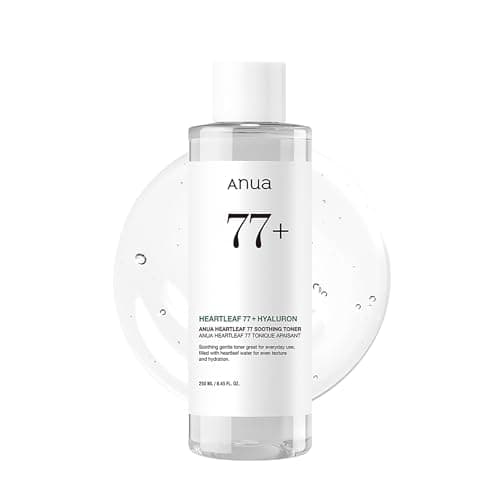
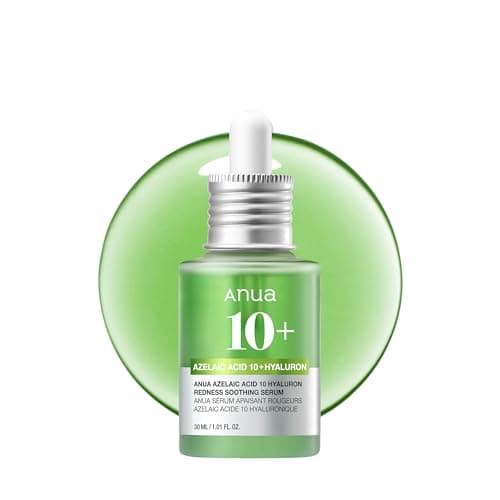
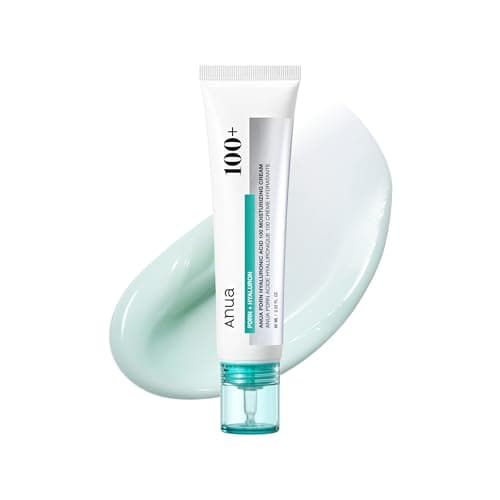
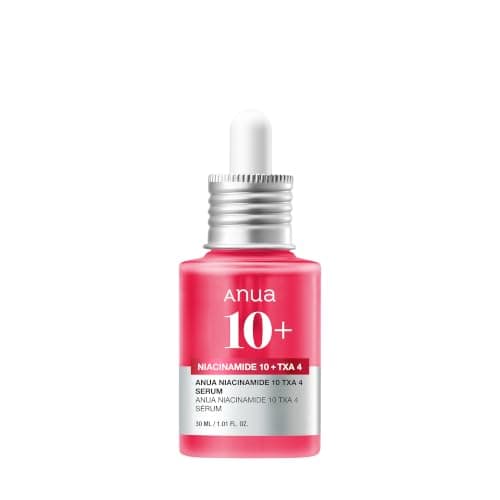
Buy the Niacinamide 10 + TXA 4 Serum first if you have brown marks and want something in your routine that changes them: both actives are named with a number attached, and tranexamic acid at 4% is a real dose of a real pigment ingredient. The budget pick is the Heartleaf 77% Soothing Toner — the cheapest product on this page, the reason most people have heard of this brand, and a product whose entire job is to make an irritated face feel less irritated. One treats, one comforts. Work out which you are shopping for before you spend anything.
The framing this page is built on: Anua's signature move is a very high percentage of a very gentle thing. Seventy-seven per cent heartleaf extract is a statement about what the bottle is mostly made of — the base, the bulk of the liquid — in the same grammar other brands use for a dose of an active. Both kinds of label are honest. Only one is a potency claim. Read the 77% as a strength and you will own a very nice toner and wonder why nothing has changed; read it correctly and you will know to buy the serum underneath it as well.
How we ranked these
- Does it treat or does it soothe? Both are legitimate purchases. Only one of them changes anything you can photograph, and the ranking puts the treatments first.
- Is the number a dose or a composition? A stated 10% niacinamide and 4% tranexamic acid are doses you can check. A stated 77% botanical extract is a recipe. We score the first and describe the second.
- Evidence for the active — niacinamide, tranexamic acid and azelaic acid have real human data. Heartleaf and PDRN have thin, mostly small-study records, and we rank them accordingly rather than flattening the gap.
- Overlap — two of these four are aimed at redness and two at pigment. The table at the bottom says which combination is worth owning and which cancels out.
- Texture and layering — thin Korean layers only work if each one sinks in and nothing pills under sunscreen.
Scores are judgments from documented research — published ingredient lists, manufacturer documentation and aggregated owner reports — not lab measurements, and how we reviewsays so in those words. Every price in the table comes from the live price layer with its own "as of" date; a pick with no number means we have no verified live price and are showing none rather than a stale one.
Which Anua product solves which problem
| If your problem is | Buy | Why that one |
|---|
| Brown marks where spots used to be | Niacinamide 10 + TXA 4 Serum | Two published doses of two ingredients with real pigment data |
| Red, bumpy skin with marks at the same time | Azelaic Acid 10 Hyaluron Serum | The one active that treats the inflammation and the mark together |
| A face that stings from an acid or a new retinoid | Heartleaf 77% Soothing Toner | Pure comfort, cheap, in a bottle big enough to use freely |
| Thin layers that evaporate by lunchtime | PDRN Hyaluronic Acid 100 Cream | Something has to seal a toner-and-serum routine, and this does it well |
| You are pregnant and your retinoid is out | Azelaic Acid 10 Hyaluron Serum | Pregnancy-safe, and the closest thing to a retinoid substitute here |
The pairing that works, and the one that does not
Worth owning together: the toner plus one of the two treatment serums, with the cream on top. That is a complete, coherent routine from a single brand — comfort layer, active, occlusive — and it is how this range is designed to be bought.
Not worth owning together: the Niacinamide + TXA serum and the Azelaic Acid serum. Both are aimed at pigment, both are mildly irritating in the first fortnight, and running them on the same face means you cannot tell which one did anything. Pick by whether there is active inflammation in the picture: if there is, buy the azelaic; if the marks are flat and the skin is calm, buy the niacinamide and tranexamic acid.
What this range cannot cover for us
Our registry carries no Anua sunscreen and no Anua cleanser. The sunscreen gap is the one that matters: it is the highest-return product in any routine, and both pigment serums above are substantially wasted without it. Take it from best face sunscreen, and the cleanser from best face cleanser. There is no Anua retinoid either, so the best-evidenced anti-aging active is not on this page at any price — best retinol cream ranks those.
Is Anua worth it?
Yes, and the brand is better than its reputation suggests — the reputation is built on the toner, which is the least interesting thing it makes. Two of the four picks above publish a real dose of a real active, which puts them ahead of most of the Korean range on this site, and the azelaic serum in particular is a product we would recommend without caveats.
The criticism is the one this page leads with: the house style of printing a very large percentage of a very gentle botanical invites a potency reading the formula does not support, and it is why so many people own the toner and nothing else. Buy one treatment and one comfort product, not four comfort products. For the wider field, best Korean skincare covers the category, best face toner puts the famous toner against every other one we rank, and best PDRN serum is where the salmon-DNA claim gets examined properly.
How we picked
We did not lab-test this gear
Everyone in this category says they tested twenty products. We have not lab-tested any of these, and we say so. What we did instead: compiled the published specifications, decoded the ingredient (INCI) lists active by active, ran the math where there was math to run, and scored each product against a published rubric. The scores are judgments from documented research — not measurements we took, because we do not have a lab and we will not pretend we do. Where a number came from someone else's work, we name them in Sources.