Skip to content
Barrier & Bloom

Routines · Skincare Routines

A skincare routine for dry skin that actually holds moisture in

Dry skin is an oil problem sold as a water problem. The AM and PM sequence, the cleanser change that fixes half of it, and the four products that do the work.

By Stephen V.Updated How we review
#ad

We earn a commission when you buy through our Amazon links, at no extra cost to you. It never changes a verdict, and we say so when the cheaper product is the better buy. How this works.

The routine for dry skin is: a non-foaming cream cleanser once a day, a humectant onto damp skin, a genuinely occlusive moisturizer over the top, and sunscreen every morning. Four steps, and the one people get wrong is the first — most dry skin is made worse every single day by a cleanser that strips the oils the moisturizer is then asked to replace.

The distinction that decides everything here: dry skin lacks oil, not water. Skin that lacks water is dehydrated, and that is a temporary condition. Dry skin is a type — your sebaceous glands produce less than average, so the barrier has less to hold moisture in with, and water evaporates faster than it should. Adding more water without adding something to keep it there is why a hydrating mist feels lovely for four minutes and changes nothing. If you are not sure which you have, our skin type test settles it in four hours.

The morning routine

  1. Rinse with lukewarm water only, or use the cream cleanser if you applied something heavy overnight. Dry skin does not need a morning wash — you did not get dirty on your pillow, and a second daily cleanse is a second daily strip.
  2. Humectant serum onto damp skin. Hyaluronic acid or glycerin, applied while your face is still wet from the rinse. Damp is not optional; a humectant on dry skin in dry air pulls water out of you rather than into you.
  3. Moisturizer, immediately. Within a minute, before the water evaporates. This is the step that turns the humectant from decorative to functional.
  4. Sunscreen. A hydrating or mineral formula rather than a matte one. See how much to apply — dry skin is the type most likely to under-apply because a thick layer feels heavy.

The evening routine

  1. Cream cleanser. Non-foaming, lukewarm water, thirty seconds. If your face feels tight afterwards, the cleanser is wrong — that tightness is the sound of your barrier being removed.
  2. Humectant onto damp skin, same as the morning.
  3. A richer moisturizer or a balm, more generously than in the morning. Night is when transepidermal water loss peaks, so the occlusive layer earns the most here.
  4. Optional: an active, two nights a week. If you want one, a low-strength lactic acid or a buffered retinol — never both, never nightly, and never in the first month of fixing a dry-skin routine.

The three changes that matter more than any product

  • Stop using hot water. Hot water strips lipids, and long hot showers are the most common cause of dry skin that will not improve regardless of what you buy on it. Lukewarm, and shorter.
  • Moisturize within sixty seconds of washing, while skin is still damp. This single habit does more than upgrading from a $15 cream to a $90 one.
  • Add humidity in winter. Indoor heating drops relative humidity dramatically, and dry air pulls water out of skin faster than any routine replaces it. A cheap humidifier in the bedroom is a more effective purchase than most serums.

What to look for on a label

Three categories, and a good moisturizer for dry skin has all three. Humectants (glycerin, hyaluronic acid, urea) pull water in. Emollients (squalane, fatty alcohols, plant oils) smooth the gaps between surface cells. Occlusives (petrolatum, dimethicone, shea butter, mineral oil) form the layer that stops it all evaporating. Products that skip the occlusive are the ones that feel nice and stop working by lunchtime — the full mechanism is in our ceramides guide and squalane guide.

What to avoid: denatured alcohol high in an ingredient list, fragrance if your skin is also reactive, and foaming sulfate cleansers. None of those are catastrophic in isolation; all three work against you daily.

The four products

Below are the picks that fill each step. They are chosen the same way everything on this site is: by decoding the published ingredient list against what dry skin actually needs — a cleanser that does not strip, a humectant that layers, an occlusive that genuinely seals, and a sunscreen that does not sit dry on the cheeks. Prices are live and date-stamped. If you would rather compare a full ranked field first, our best skincare for dry skin roundup does exactly that.

The short answer

Quick picks

#ProductBest forScorePrice
01
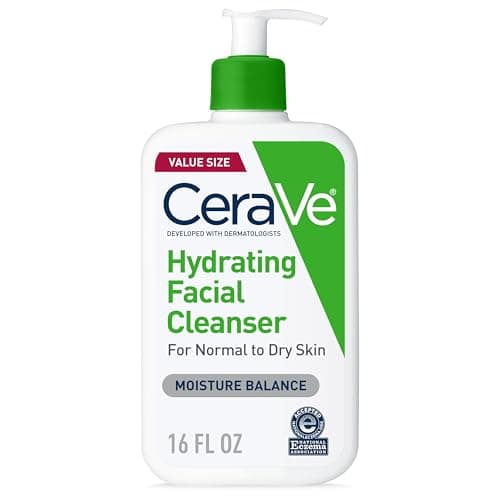
CeraVe CeraVe Hydrating Facial Cleanser
CeraVe Hydrating Facial Cleanser

The step that decides the whole routine. A non-foaming cream wash with ceramides and hyaluronic acid that removes the day without removing your lipids — and leaves nothing tight.

Step 1: cleanse
8.6
$15.97Amazon
02
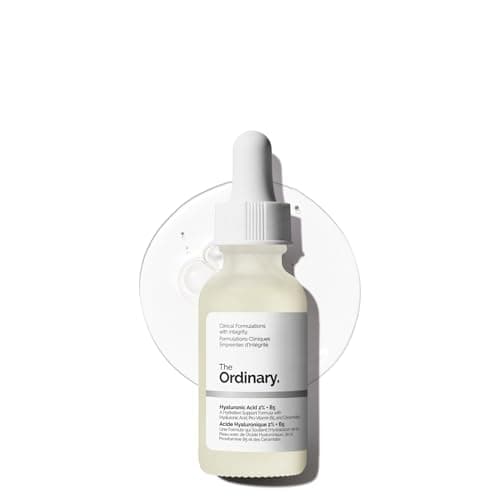
The Ordinary The Ordinary Hyaluronic Acid 2% + B5
The Ordinary Hyaluronic Acid 2% + B5

The humectant layer, for under ten dollars. Multiple molecular weights of hyaluronic acid plus B5 and ceramides — applied to damp skin and sealed immediately, it is the step that makes the moisturizer work harder.

Step 2: humectant
8.4
$9.90Amazon
03
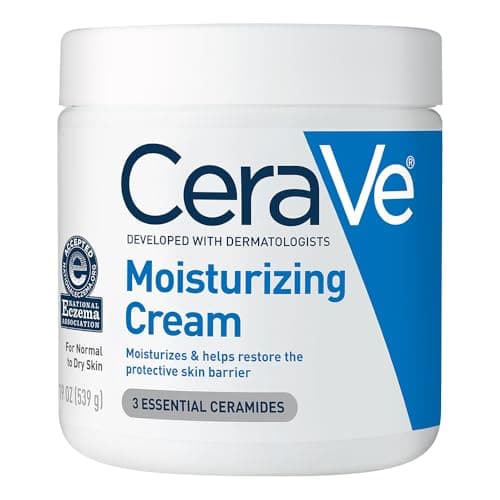
CeraVe CeraVe Moisturizing Cream
CeraVe Moisturizing Cream

The seal. A thick ceramide-and-hyaluronic cream with genuine occlusive content, in a tub large enough that you will use it generously — which is the property that actually matters for dry skin.

Step 3: moisturize
8.8
$18.96Amazon
04
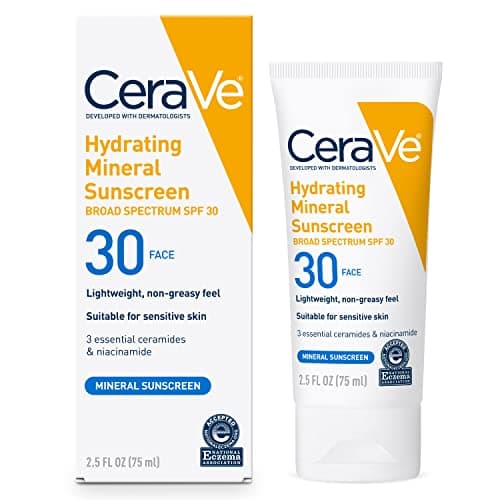
CeraVe CeraVe Hydrating Mineral Sunscreen SPF 30
CeraVe Hydrating Mineral Sunscreen SPF 30

A mineral sunscreen on a ceramide base, so it moisturizes as it protects rather than sitting dry on the cheeks. Cheap enough that you will apply the full amount, which is the thing most dry-skin routines get wrong.

Step 4: protect
8.0
$13.97Amazon

#ad · Live prices from the Amazon Product API, as of Aug 28, 2026. Where we have no verified live price, we show none — a gap beats a number that has rotted.

In detail

The picks, in full

01
CeraVe CeraVe Hydrating Facial Cleanser

Step 1: cleanse

CeraVe Hydrating Facial Cleanser

Non-foaming cream3 ceramides + HAFragrance-free16 fl oz
8.6/10

The step that decides the whole routine. A non-foaming cream wash with ceramides and hyaluronic acid that removes the day without removing your lipids — and leaves nothing tight.

Ingredients
9
Cleansing
7
Gentleness
10
Texture
8
Value
9

Pros

  • Zero tightness afterwards, which is the only cleanser test that matters for dry skin
  • Leaves a light residue of ceramides behind on purpose
  • Very cheap per wash in the large bottle

Cons

  • Will not remove heavy sunscreen or makeup in a single pass
  • The milky finish reads as not-clean to people used to foam

Don't buy this if…

you wear heavy makeup daily — you will want an oil or balm first, then this as the second cleanse.

$15.97View on Amazon

$18.9916% off

Price as of Aug 28, 2026. Prices change — Amazon's at checkout is the one that counts.

#ad · we may earn a commission from this link to CeraVe Hydrating Facial Cleanser

02
The Ordinary The Ordinary Hyaluronic Acid 2% + B5

Step 2: humectant

The Ordinary Hyaluronic Acid 2% + B5

2% HA complexVitamin B5With ceramides1 fl oz
8.4/10

The humectant layer, for under ten dollars. Multiple molecular weights of hyaluronic acid plus B5 and ceramides — applied to damp skin and sealed immediately, it is the step that makes the moisturizer work harder.

Ingredients
9
Efficacy
8
Gentleness
9
Texture
6
Value
10

Pros

  • Several molecular weights rather than one, which is the meaningful formulation choice
  • B5 and ceramides give it something to do beyond surface water
  • Cheap enough to apply generously

Cons

  • Tacky until a moisturizer goes over it
  • Does nothing at all if you skip the sealing step

Don't buy this if…

you will not apply a moisturizer straight afterwards. On dry skin in dry air, an unsealed humectant is worse than nothing.

$9.90View on Amazon

Price as of Aug 28, 2026. Prices change — Amazon's at checkout is the one that counts.

#ad · we may earn a commission from this link to The Ordinary Hyaluronic Acid 2% + B5

03
CeraVe CeraVe Moisturizing Cream

Step 3: moisturize

CeraVe Moisturizing Cream

3 ceramides + HAOcclusive cream19 oz tubFragrance-free
8.8/10

The seal. A thick ceramide-and-hyaluronic cream with genuine occlusive content, in a tub large enough that you will use it generously — which is the property that actually matters for dry skin.

Ingredients
9
Efficacy
9
Gentleness
9
Texture
7
Value
10

Pros

  • Contains all three categories a dry-skin moisturizer needs
  • Cheap enough per ounce to use on body as well as face
  • Accepted by the National Eczema Association

Cons

  • Too heavy for the T-zone if your skin is combination rather than dry
  • Tub packaging — use a spatula if that bothers you

Don't buy this if…

your skin is dehydrated rather than dry. A rich occlusive on oily dehydrated skin congests; fix the washing habit first.

$18.96View on Amazon

$20.497% off

Price as of Aug 28, 2026. Prices change — Amazon's at checkout is the one that counts.

#ad · we may earn a commission from this link to CeraVe Moisturizing Cream

04
CeraVe CeraVe Hydrating Mineral Sunscreen SPF 30

Step 4: protect

CeraVe Hydrating Mineral Sunscreen SPF 30

SPF 30 mineralZinc + titaniumCeramidesFragrance-free
8.0/10

A mineral sunscreen on a ceramide base, so it moisturizes as it protects rather than sitting dry on the cheeks. Cheap enough that you will apply the full amount, which is the thing most dry-skin routines get wrong.

Protection
8
Efficacy
8
Gentleness
9
Texture
6
Value
9

Pros

  • Hydrating base rather than the matte finish most SPFs default to
  • Mineral filters suit reactive skin, which dry skin often also is
  • Priced so that applying two finger-lengths is not a decision

Cons

  • Visible white cast, noticeably so on medium and deeper skin tones
  • SPF 30 rather than 50

Don't buy this if…

you have a medium or deep skin tone — a chemical or tinted formula from our sunscreen roundup will suit you far better.

$13.97View on Amazon

$14.997% off

Price as of Aug 28, 2026. Prices change — Amazon's at checkout is the one that counts.

#ad · we may earn a commission from this link to CeraVe Hydrating Mineral Sunscreen SPF 30

How we picked

We did not lab-test this gear

Everyone in this category says they tested twenty products. We have not lab-tested any of these, and we say so. What we did instead: compiled the published specifications, decoded the ingredient (INCI) lists active by active, ran the math where there was math to run, and scored each product against a published rubric. The scores are judgments from documented research — not measurements we took, because we do not have a lab and we will not pretend we do. Where a number came from someone else's work, we name them in Sources.
Questions

Frequently asked

What is the best skincare routine for dry skin?
A non-foaming cream cleanser once a day, a humectant serum applied to damp skin, an occlusive moisturizer immediately over it, and sunscreen every morning. Four steps. The cleanser is the one most people get wrong, and fixing it changes more than upgrading the moisturizer.
Should I wash my face in the morning if I have dry skin?
Usually not with a cleanser. A lukewarm rinse is enough unless you applied something heavy overnight. A second daily cleanse is a second daily strip, and dry skin has the least to spare.
Why does my moisturizer stop working by midday?
Almost always because it is short on occlusives. Humectants pull water in and emollients smooth the surface, but without something like petrolatum, dimethicone or shea butter to seal, that water evaporates. Check the label for all three categories, not just hyaluronic acid.
Is dry skin the same as dehydrated skin?
No. Dry skin lacks oil and is a type — largely genetic and fairly stable. Dehydrated skin lacks water and is a temporary condition from over-washing, harsh actives or weather. Oily skin can be dehydrated, which is why some people feel tight and look shiny at once.
Can I use actives if my skin is dry?
Yes, carefully. A low-strength lactic acid or a buffered retinol two nights a week is reasonable — lactic acid is a humectant as well as an exfoliant, which suits dry skin. Do not start an active in the same month you are repairing a stripped routine.

Keep reading

Receipts

Sources

We do not run a testing lab, and we do not pretend to. Where a measured number came from someone else's work, we name them and link them. Where we could not verify something, we say so on the page rather than quietly leaving it out. Read our full method.