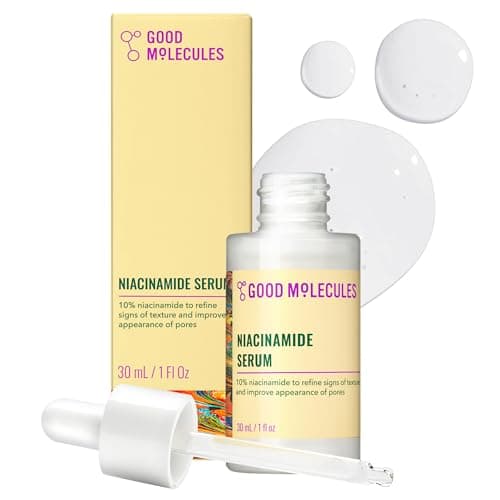
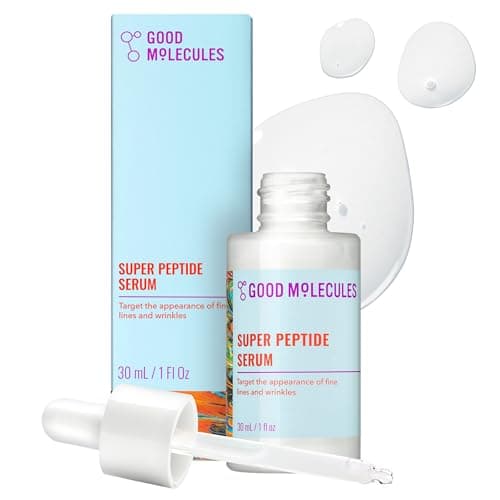
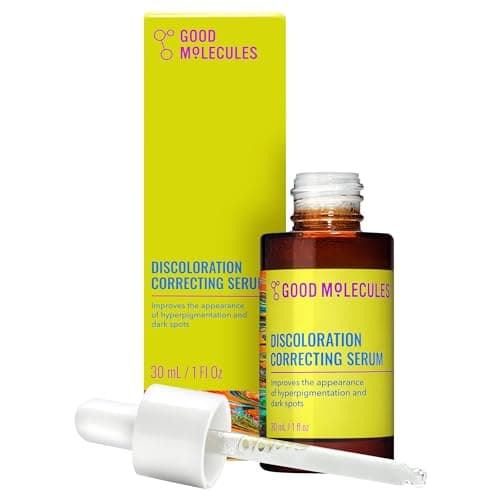
Buy the Discoloration Correcting Serum first. It is the only product in this range that does a job nothing cheaper does as well: a tranexamic-acid-led serum aimed at the brown marks left behind by old spots, at a price where buying a second bottle to finish the twelve-week course is not a decision. The budget pick is the Niacinamide Serum 10% — the cheapest product on this page and a straight like-for-like substitute for the most-bought budget serum in skincare. If you only take one thing from this page: this brand is worth your money for its treatments, and not especially worth it for anything else.
One framing first, because it decides the whole ranking. Good Molecules sells single-active serums at prices that look like a mistake, which immediately raises the question every cheap serum has to answer: is the active actually in there at a working strength? For most of this range the answer is yes, and it is checkable, because the brand prints the percentage on the front of the bottle the way The Ordinarydoes. So the rubric below is not "is this nice". It is: does the stated dose match the dose the published research used, and is there a reason to buy this rather than the same ingredient from a brand you already own?
How we ranked these
- Is the dose real? A stated percentage we can hold against published strengths beats an ingredient list with the active in the bottom third and no number attached. Products that name an active without a dose are marked down.
- Does it duplicate something cheaper or better? Several of these compete directly with a product most readers already have. Where the duplicate is a coin flip, we say so rather than manufacturing a reason to buy.
- Evidence for the ingredient — tranexamic acid, azelaic acid and niacinamide have real human data behind them. Bakuchiol has a thin but genuine record. Peptides are the weakest category here and we rank them accordingly.
- Formula and tolerability — fragrance, alcohol load, pH-dependent actives and whether the texture layers under sunscreen without pilling.
- Value per course, not per bottle. Pigment and texture actives take eight to twelve weeks. A serum you will actually buy twice is worth more than a better one you will ration.
Scores are judgments from documented research — published ingredient lists, manufacturer documentation and aggregated owner reports — not lab measurements, and how we reviewsays so in those words. Every price in the table comes from the live price layer and carries its own "as of" date. A pick showing no number means we have no verified live price for it right now and are showing none rather than a stale one.
Which Good Molecules product solves which problem
| If your problem is | Buy | Why that one |
|---|
| Brown marks where spots used to be | Discoloration Correcting Serum | Tranexamic acid is the right tool, and this is the cheapest version of it we rank |
| Oiliness and a rough barrier | Niacinamide Serum 10% | A researched dose of the one ingredient that does both, for pocket change |
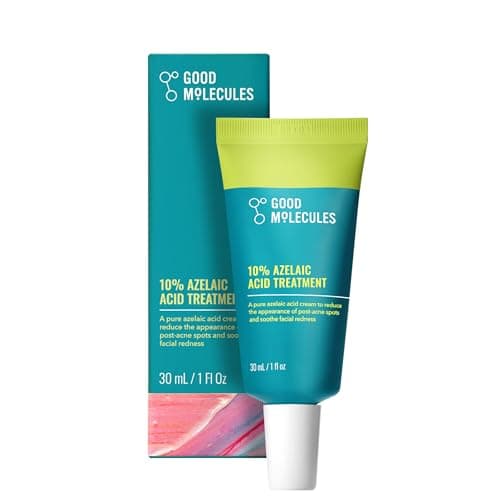
| Red, bumpy skin that reacts to everything | 10% Azelaic Acid Treatment | The only active here that works on bumps, redness and pigment at once |
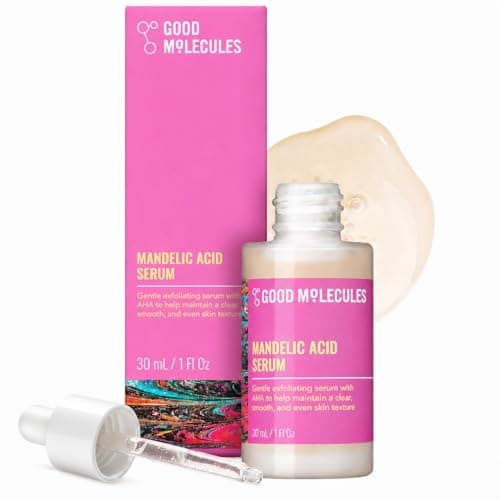
| You have never used an acid and are nervous | Mandelic Acid Serum | The largest AHA molecule, so the gentlest real exfoliation available |
| You are pregnant and your retinoid is out | 10% Azelaic Acid Treatment | Pregnancy-safe, and the closest thing to a retinoid substitute in this range |
What this brand does not sell, and where that leaves you
Our registry carries no Good Molecules sunscreen and no Good Molecules retinoid. That is worth stating plainly, because those are the two highest-return products in any routine, and a page that ranked six serums without mentioning it would be selling you the supporting cast and skipping the leads. Buy the sunscreen from our best face sunscreen roundup and the retinoid from best retinol cream, then come back here for the treatment that matches your actual complaint.
There is also no moisturizer and no cleanser in the range we rank, which means this brand cannot be your whole routine even if you want it to be. Treat it as a treatment shelf: one active, chosen for the problem you have, sitting inside a routine built elsewhere. Our best drugstore skincare roundup covers the boring parts, and routine order explains where the serum above actually goes.
Three ways to buy this range badly
- Buying three serums at once. The prices make it feel harmless. It is not: you cannot tell which one did anything, and stacking an acid, a retinoid substitute and a pigment treatment is how a working barrier becomes a flaking one. One new active at a time, eight weeks each.
- Buying the niacinamide you already own. A 10% niacinamide is a 10% niacinamide. If there is one in your bathroom, the serum above buys you nothing.
- Buying a peptide serum instead of a retinoid. The peptide pick is last on this page for a reason. If your goal is lines and texture, the evidence points at a retinoid, and our peptides versus retinol comparison lays out how far apart the two records actually are.
Is Good Molecules worth it?
For treatments, yes, and the pigment serum is the clearest case on the site for buying a budget brand over a famous one. What you are giving up is disclosure: three of the six picks above name an active without publishing its strength, and that is the one place where paying more occasionally buys you something real. What you are not giving up is formulation quality — these are short, fragrance-free ingredient lists that behave themselves under sunscreen.
Shop it one or two products deep, aimed at a problem you can name, and buy the cleanser, moisturizer and sunscreen elsewhere. For how this brand sits against the other budget range everyone compares it to, our The Ordinary alternatives page covers the substitution directly, and best skincare under $10 ranks the cheapest shelf on the site across every brand.
How we picked
We did not lab-test this gear
Everyone in this category says they tested twenty products. We have not lab-tested any of these, and we say so. What we did instead: compiled the published specifications, decoded the ingredient (INCI) lists active by active, ran the math where there was math to run, and scored each product against a published rubric. The scores are judgments from documented research — not measurements we took, because we do not have a lab and we will not pretend we do. Where a number came from someone else's work, we name them in Sources.