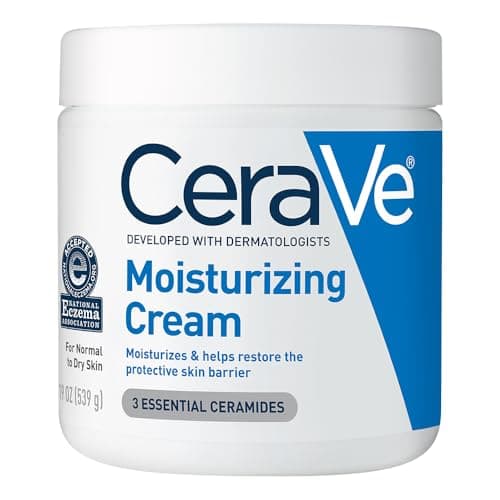
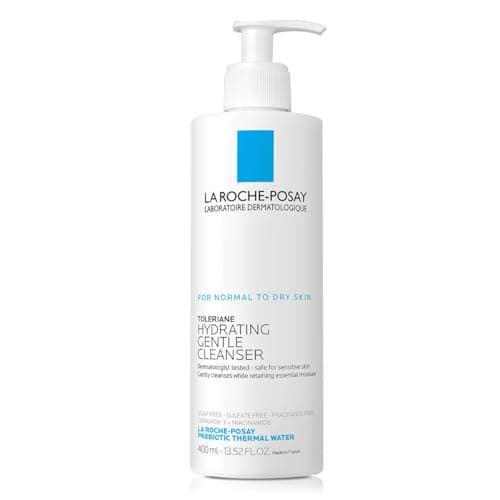
Start with the cleanser, because that is the only step that genuinely disturbs anything. La Roche-Posay Toleriane Hydrating Gentle Cleanser is the pick: a non-foaming cream wash with ceramides and niacinamide that removes a day without stripping the surface. Follow it with CeraVe Moisturizing Cream, which supplies the three skin-identical ceramides your barrier is built from, at the lowest price in skincare. Those two products are about 90% of what "microbiome-friendly" can honestly mean, and the other three picks below are refinements rather than requirements.
First, the uncomfortable part: there is no legal definition of the phrase, no required test, and no regulator checking it. A brand can print "microbiome-friendly" on a bottle of anything. So this page ranks on things that are readable off an ingredient list and supported by published work on the skin barrier, and it names the claims we ignore.
What the research actually supports
The skin surface hosts a dense bacterial and fungal community, and reviews of barrier function and the microbiome describe the two as coupled rather than separate: the lipid matrix, the acidity and the resident flora all depend on each other. Disturbed flora is consistently associatedwith eczema and acne; which direction the causation runs is still being argued, which is why we are careful with the word "restore".
One mechanism is uncontroversial and immediately actionable: surface pH. Healthy facial skin sits acidic, and the resident organisms and the enzymes that build the barrier both prefer it that way. Traditional soap is strongly alkaline, and work on skin surface pH and barrier function shows that washing with it shifts the surface for hours rather than minutes. That is the single clearest thing you can act on with a purchase, and it is a purchase of a cleanser, not a serum.
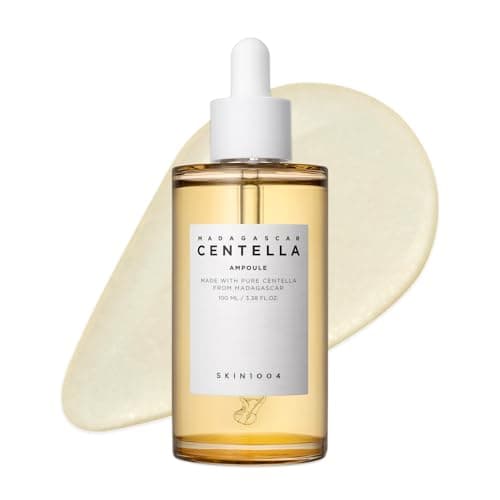
A 2024 review of microbiome cosmetics is genuinely enthusiastic about where the field is going and equally clear that it is early. Our microbiome ingredient guide goes through the prebiotic, postbiotic and lysate claims one by one, and centella asiatica is the one soothing botanical in this category with enough published work behind it to belong on a shortlist like this.
What we ranked on
- Microbiome logic. Does the product reduce disturbance (low or no surfactant, acidic or pH-neutral, no antibacterial actives), or does it only claim to help?
- Gentleness. Whether it can be used twice a day, indefinitely, on reactive skin.
- Barrier support. Ceramides, cholesterol, fatty acids, panthenol — the lipids and humectants the surface community lives in.
- Ingredient restraint. Short lists, no fragrance, no essential oils, no botanical extract stack. Fewer things to react to and fewer antibacterial botanicals.
- Value. Cost per month for something you use every day.
What we ignored:the word "probiotic" on a water-based leave-on product. A preserved cosmetic is designed to prevent microbial growth; a live culture is designed to be microbial growth. The two are in direct tension, and what is almost always in the bottle is a ferment filtrate or a bacterial lysate — ingredients that may well do something useful, but not what the word implies.
What each pick actually contributes
| Product | Step | The microbiome-relevant feature | Fragrance |
|---|
| La Roche-Posay Toleriane Hydrating | Daily cleanse | Non-foaming, so no high-surfactant strip | Fragrance-free |
| CeraVe Moisturizing Cream | Moisturize | Three skin-identical ceramides plus cholesterol | Fragrance-free |
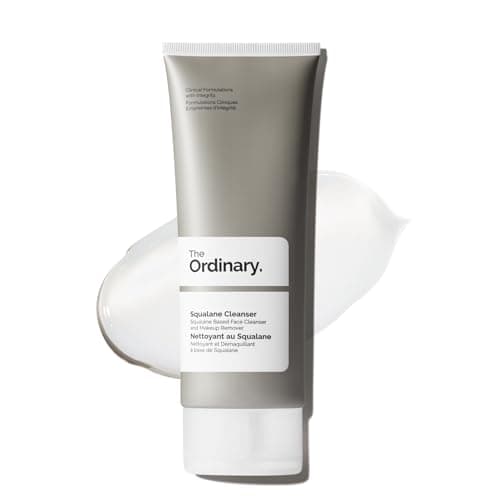
| The Ordinary Squalane Cleanser | First cleanse | Sugar-ester rinse instead of a detergent | Fragrance-free |
| SKIN1004 Centella Ampoule | Soothe | Short list, nothing antibacterial | Fragrance-free |
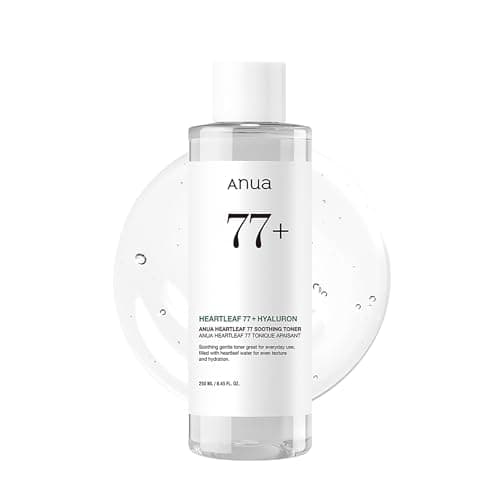
| Anua Heartleaf 77% Toner | Optional refresh | Alcohol-free in place of an astringent | Fragranced |
The four habits that matter more than any of these bottles
- Stop using bar soap on your face. Alkaline surfactants shift surface pH for hours. This is the one change with a clear mechanism behind it.
- Do not disinfect daily without a reason. Benzoyl peroxide is an antibacterial, and a genuinely effective acne treatment - we rank it on best benzoyl peroxide. Using an antibacterial wash every day on skin that does not have acne is the clearest example of the thing this page is about.
- Exfoliate less than you think. Over-exfoliation damages the lipid matrix the flora lives in, and it is the most common self-inflicted barrier problem we see - see how often to exfoliate.
- Leave it alone when it is calm. The longest ingredient list in your bathroom is not the one doing the most good.
How this differs from our sensitive-skin roundup
Fairly, you might ask. Best skincare for sensitive skin minimizes irritants - fragrance, dyes, essential oils, anything with a contact allergy record. This page minimizes disturbance - surfactants, antibacterials and pH shifts. The two aims overlap, which is why both pages end up recommending restraint, and they share no products at all. If your skin stings and flushes, read that page. If your skin is fine and you are trying not to break it, you are on the right one.
How we picked
We did not lab-test this gear
Everyone in this category says they tested twenty products. We have not lab-tested any of these, and we say so. What we did instead: compiled the published specifications, decoded the ingredient (INCI) lists active by active, ran the math where there was math to run, and scored each product against a published rubric. The scores are judgments from documented research — not measurements we took, because we do not have a lab and we will not pretend we do. Where a number came from someone else's work, we name them in Sources.