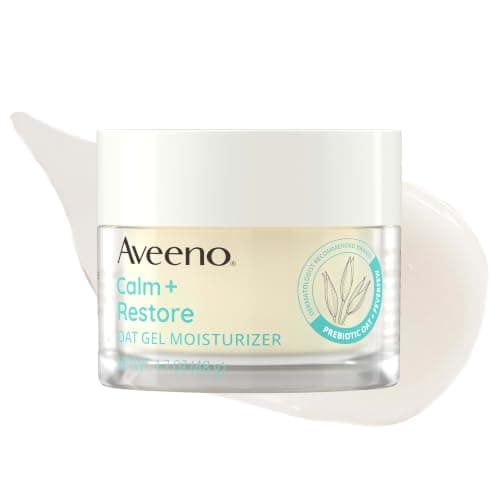
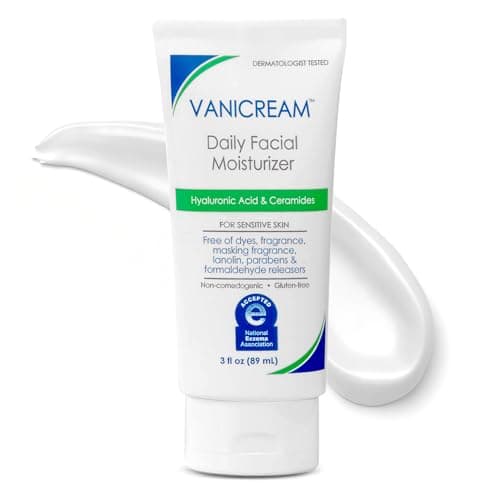
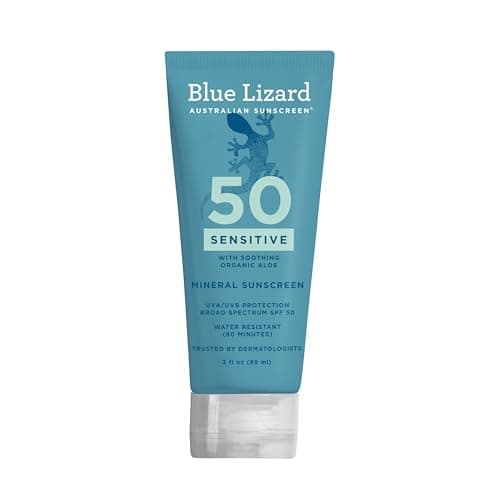
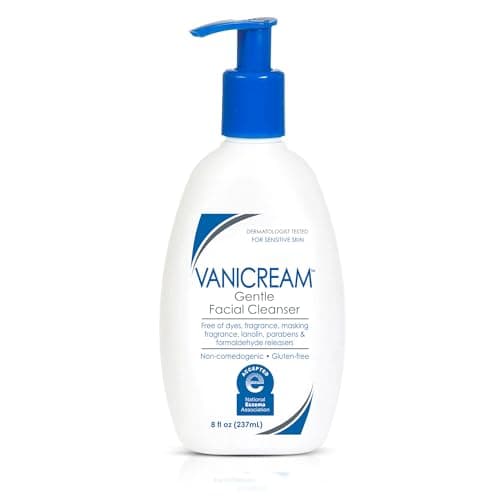
The routine for sensitive skin is three products: a fragrance-free gentle cleanser, a bland moisturizer, and a mineral sunscreen. No actives, no serums, no exfoliation, for at least two weeks. Then, if you want to add something, add exactly one thing and wait a fortnight before adding anything else. That is the whole method, and it works better than any product.
The reason to lead with subtraction is that "sensitive skin" covers two very different situations. Some people have genuinely reactive skin — a permanent trait, often alongside rosacea, eczema or a specific allergy. Many more have a temporarily damaged barrier from over-exfoliating, layering actives, or a harsh cleanser, and their skin will return to normal in a few weeks of being left alone. The routine below serves both, and the elimination approach tells you which you have.
The morning routine
- Rinse with lukewarm water, or a fragrance-free gentle cleanser if your skin is oily. Reactive skin rarely needs a morning cleanse.
- Moisturizer, applied to slightly damp skin. Bland is the goal — the fewer ingredients, the fewer suspects.
- Mineral sunscreen. Zinc oxide and titanium dioxide sit on the surface rather than absorbing into it, which is why reactive skin generally tolerates them better than chemical filters.
The evening routine
- Gentle cleanser, lukewarm water, thirty seconds, hands not a cloth.
- Optional soothing layer — a centella or oat-based product on nights when skin feels hot or tight. Genuinely optional; skipping it costs nothing.
- Moisturizer, more generously than in the morning.
The elimination method
If you do not know what your skin is reacting to, stop guessing product by product and run this instead. It takes about eight weeks and it is the only approach that actually identifies the culprit.
- Weeks 1-2: the three products above and nothing else. No actives, no masks, no exfoliation, no new anything. Most skin calms substantially in this window.
- Week 3: reintroduce one product you previously used. Just one. Use it for fourteen days.
- Week 5: if nothing flared, add the next one. If something did flare, you have found a suspect — remove it and wait for calm before continuing.
- Keep a note. Two words a day is enough. Memory is unreliable across eight weeks and this is the step people skip.
The usual suspects
- Fragrance, added or essential-oil derived, is the most common cause of cosmetic contact reactions. It is also in a remarkable number of products sold for sensitive skin.
- Denatured alcohol high in an ingredient list — common in toners and light gels, and degreasing enough to compromise a fragile barrier over time.
- Over-exfoliation, which is a dose problem rather than an ingredient problem. If you use an acid more than three times a week, suspect it first.
- Physical scrubs and cleansing devices used daily.
- Too many new products at once — which makes any reaction impossible to attribute.
Our ingredient list checker walks through reading a label for these yourself, including telling drying alcohol from harmless fatty alcohol.
When it is not sensitivity
If your skin became reactive over a few weeks and used to be fine, that is a damaged barrier rather than a skin type, and it recovers — our barrier repair guide has the protocol. If you have persistent facial redness with flushing, visible vessels or bumps, that may be rosacea, which is a medical condition with real treatments rather than something to manage with gentler moisturizer. And if you get itching, weeping or scaling patches, that is likely eczema or contact dermatitis and worth seeing someone about.
Adding actives later
Once your skin has been calm for a month, one active is reasonable. Start with niacinamide, which is the least demanding, or azelaic acid if you also have redness. If you want to exfoliate, mandelic acid is the gentlest AHA and the right choice here. Twice a week, at night, and stop at the first sign of stinging.
Reactive skin is also the group most likely to be better off skipping the morning surfactant altogether and rinsing with water instead — should you wash your face in the morning? sets out when that is the right call.